

Monitor vibrations in three axes with IO-Link
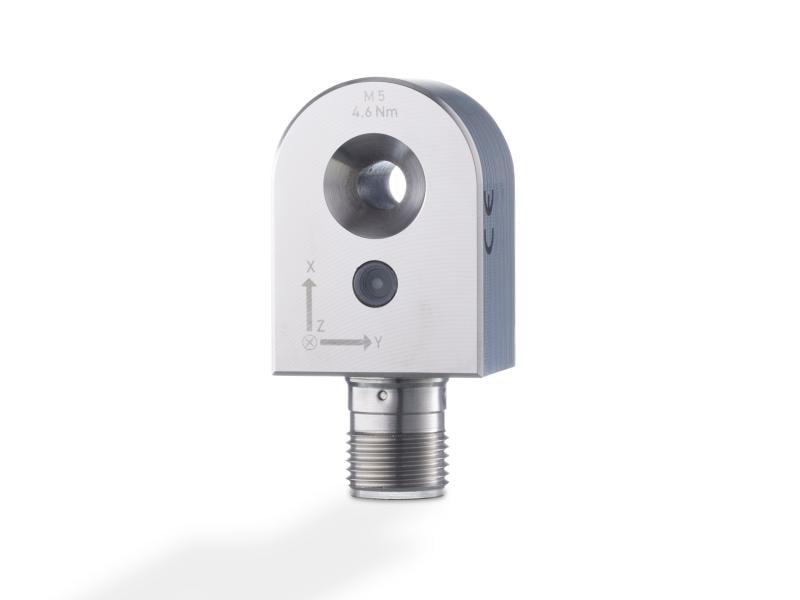
The new VVB30x condition monitoring sensor, which ifm is now presenting at the SPS in Nuremberg, continuously records vibrations in all three spatial directions. The sensor uses the recorded measurements to calculate proven condition indicators for evaluating the machine condition: information about fatigue (v-RMS), mechanical friction (a-RMS), shocks (a-Peak), and bearing wear (crest factor). In addition, the surface temperature is transmitted as an additional wear indicator. The sensor also offers a whole range of smart additional functions: In the Basic Condition Monitoring version, the sensor can continuously analyze any imbalance in the machine and communicate reliably if necessary. The sensor also records the machine operating hours based on the machine-related vibration level, which is another auxiliary variable in modern maintenance. In the DataScience Condition Monitoring version, the device also offers a smart bearing modulation method for reliable and continuous bearing analysis, known as BearingScout.
The new vibration sensor relies on IO-Link for data transmission, device diagnostics, and parameterization. This allows users to implement vibration monitoring and analysis independently of the manufacturer in any SCADA system via standard fieldbus protocols or simultaneously via a standardized MQTT or HTTPS interface in any IT system. With its IIoT platform moneo, ifm electronic offers a whole range of smart additional functions for fault cause analysis, making it easy to implement IT-based condition monitoring. Configuration is also very easy via IO-Link: Based on the respective machine category according to ISO 20816-3, predefined limit value profiles are stored directly in the device, which can be adapted to the respective target application via the corresponding system command. If a limit value is exceeded, the integrated BLOB ring memory allows for detailed error cause analysis even without moneo. Up to 12 seconds of raw data can be automatically provided if necessary. In addition, the sensor is equipped with an internal characteristic history that provides insight into the past nine days.
Condition monitoring allows early detection of emerging machine damage to pumps, fans, gear motors, vacuum pumps, and many other rotating machines. This enables maintenance work to be planned cost-effectively and according to demand, maximizing machine availability. When vibrations in machines affect quality, condition monitoring also helps to improve the production process.
The new VVB30x condition monitoring sensor, which ifm is now presenting at the SPS in Nuremberg, continuously records vibrations in all three spatial directions. The sensor uses the recorded measurements to calculate proven condition indicators for evaluating the machine condition: information about fatigue (v-RMS), mechanical friction (a-RMS), shocks (a-Peak), and bearing wear (crest factor). In addition, the surface temperature is transmitted as an additional wear indicator. The sensor also offers a whole range of smart additional functions: In the Basic Condition Monitoring version, the sensor can continuously analyze any imbalance in the machine and communicate reliably if necessary. The sensor also records the machine operating hours based on the machine-related vibration level, which is another auxiliary variable in modern maintenance. In the DataScience Condition Monitoring version, the device also offers a smart bearing modulation method for reliable and continuous bearing analysis, known as BearingScout.
The new vibration sensor relies on IO-Link for data transmission, device diagnostics, and parameterization. This allows users to implement vibration monitoring and analysis independently of the manufacturer in any SCADA system via standard fieldbus protocols or simultaneously via a standardized MQTT or HTTPS interface in any IT system. With its IIoT platform moneo, ifm electronic offers a whole range of smart additional functions for fault cause analysis, making it easy to implement IT-based condition monitoring. Configuration is also very easy via IO-Link: Based on the respective machine category according to ISO 20816-3, predefined limit value profiles are stored directly in the device, which can be adapted to the respective target application via the corresponding system command. If a limit value is exceeded, the integrated BLOB ring memory allows for detailed error cause analysis even without moneo. Up to 12 seconds of raw data can be automatically provided if necessary. In addition, the sensor is equipped with an internal characteristic history that provides insight into the past nine days.
Condition monitoring allows early detection of emerging machine damage to pumps, fans, gear motors, vacuum pumps, and many other rotating machines. This enables maintenance work to be planned cost-effectively and according to demand, maximizing machine availability. When vibrations in machines affect quality, condition monitoring also helps to improve the production process.