

Power-to-X for Applications - your P2X network
GHG quota: Bundestag resolution is an important signal for hydrogen ramp-up
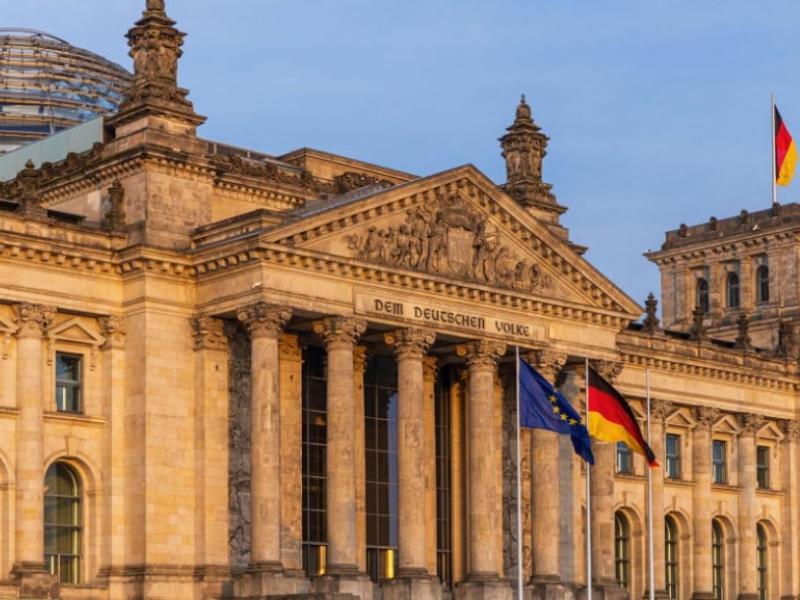
Frankfurt, April 23, 2026 - With the Bundestag's approval, the further development of the greenhouse gas (GHG) reduction quota has taken a significant step forward. Compared to earlier drafts, the decision marks clear progress and sends a positive signal to industry and investors.
"The increased quota paths underline the political will to consistently advance the ramp-up of hydrogen and climate-friendly fuels. The increase in the GHG reduction quota for 2040 from 59 to 65 percent is a clear expression of greater climate policy ambition," says Peter Müller Baum, Managing Director of VDMA Power to X for Applications, assessing the legislative resolution. The revised RFNBO sub-quota path represents the most ambitious approach of all draft versions to date.
It is positive that industry arguments were taken into account in the parliamentary process. Although the stronger increase in quotas will start later than hoped, the law defines a clear and reliable development path for the 2030s for the first time and goes beyond the minimum requirements of the European RED III. This creates planning certainty.
A critical point to note is that Parliament did not follow the Federal Council's recommendation to raise the RFNBO sub-quota to 2.5 percent as early as 2030. As a result, available project volumes are not expected to be fully covered by the quota until around 2032, and a continuously increasing ramp-up beyond that will not begin until 2036.
Nevertheless, the law sets clear priorities from 2032 at the latest: The significantly more ambitious path compared to the cabinet decision, with increases in the RFNBO sub-quota of 1.5 percentage points in each of the years 2032 and 2034 and annual increases of two percentage points from 2036, represents the most ambitious approach of all previous GHG legislation in the medium and long term.
"Overall, the policy sends a positive signal," explains Peter Müller-Baum: "The ramp-up of hydrogen and electricity-based fuels should be structurally secured and made possible in the long term." It is now important that the Federal Council also gives its approval at its meeting at the beginning of May and the law can enter into force.
picture: Shutterstock
Frankfurt, April 23, 2026 - With the Bundestag's approval, the further development of the greenhouse gas (GHG) reduction quota has taken a significant step forward. Compared to earlier drafts, the decision marks clear progress and sends a positive signal to industry and investors.
"The increased quota paths underline the political will to consistently advance the ramp-up of hydrogen and climate-friendly fuels. The increase in the GHG reduction quota for 2040 from 59 to 65 percent is a clear expression of greater climate policy ambition," says Peter Müller Baum, Managing Director of VDMA Power to X for Applications, assessing the legislative resolution. The revised RFNBO sub-quota path represents the most ambitious approach of all draft versions to date.
It is positive that industry arguments were taken into account in the parliamentary process. Although the stronger increase in quotas will start later than hoped, the law defines a clear and reliable development path for the 2030s for the first time and goes beyond the minimum requirements of the European RED III. This creates planning certainty.
A critical point to note is that Parliament did not follow the Federal Council's recommendation to raise the RFNBO sub-quota to 2.5 percent as early as 2030. As a result, available project volumes are not expected to be fully covered by the quota until around 2032, and a continuously increasing ramp-up beyond that will not begin until 2036.
Nevertheless, the law sets clear priorities from 2032 at the latest: The significantly more ambitious path compared to the cabinet decision, with increases in the RFNBO sub-quota of 1.5 percentage points in each of the years 2032 and 2034 and annual increases of two percentage points from 2036, represents the most ambitious approach of all previous GHG legislation in the medium and long term.
"Overall, the policy sends a positive signal," explains Peter Müller-Baum: "The ramp-up of hydrogen and electricity-based fuels should be structurally secured and made possible in the long term." It is now important that the Federal Council also gives its approval at its meeting at the beginning of May and the law can enter into force.
picture: Shutterstock