


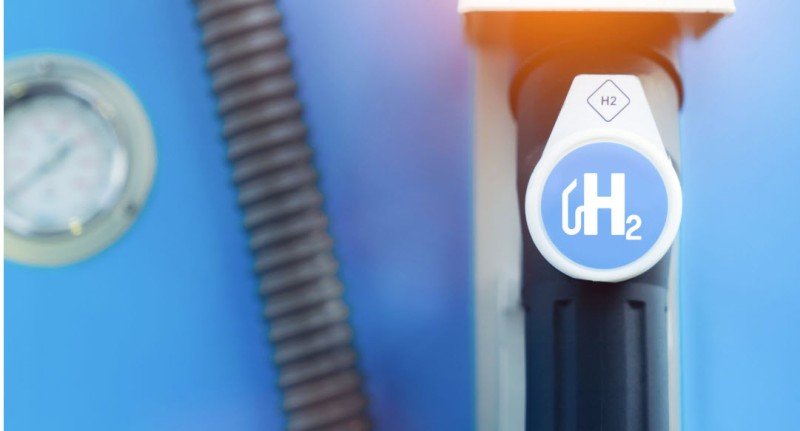
Hydrogen is the key to effective climate protection, industrial value creation, and greater resilience. Current geopolitical tensions highlight just how important this is: Hydrogen paves the way to climate neutrality, offers economic opportunities, and strengthens security of supply. It reduces dependence on imports, thereby making the energy system more resilient.
Yet the ramp-up is progressing only slowly. While numerous projects across Europe demonstrate that investment is fundamentally possible, the momentum remains below expectations. For the industry, one thing is clear: the ramp-up will only succeed where several factors come together—reliable regulation, targeted funding, functioning infrastructure, and concrete demand incentives.
Call for a European Hydrogen Alliance
Against this backdrop, 16 German and European industry associations—BDEW, DVGW, DWV, en2X, Eurogas, figawa, FNB GAS, The Gas and Hydrogen Industry, Hydrogen Europe, INES, VCI, VDA, VDMA P2X4A, VIK, VKU, and the German Steel Association—are calling more strongly than ever for a hydrogen alliance at the member-state level. The goal is to pool political, regulatory, and financial resources to accelerate the development of a functioning hydrogen market.
Such an alliance should, in particular:
- coordinate the expansion of infrastructure and pipeline corridors
- strengthen international energy partnerships
- secure industrial value creation in Europe, and
- facilitate investment along the entire value chain
Key obstacles: costs, regulation, and risk
The associations currently view regulatory requirements in particular as a hindrance. Complex criteria for hydrogen production, as well as additional cost burdens, complicate investments and hinder scaling up. There is a call for practical and competitive framework conditions.
At the same time, there is a lack of a functioning market with reliable price signals. Without long-term off-take agreements, many projects remain economically uncertain. Therefore, it is crucial to secure investments.
Germany in a Key Role
The paper assigns Germany a special role: as Europe’s largest industrial hub, a central infrastructure node, and a potential hydrogen importer. Accordingly, Germany is expected to take a leading role in establishing a European hydrogen alliance and to build bridges between different regions and projects.
Here, you can download the policy paper.
Picture: Shutterstock